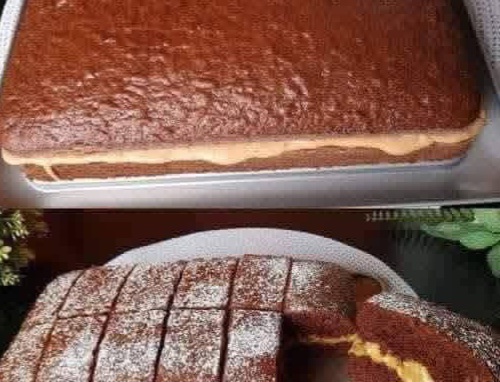
The Softest Cake in the World — Recipe & Guide
Introduction
This cake is celebrated for its impossibly soft, airy texture that seems to dissolve on the tongue. With a simple batter and a gentle baking process, it’s a perfect example of how a few humble ingredients—eggs, milk, vanilla, and a touch of sweetness—can transform into something extraordinary. Ideal with tea, coffee, fresh fruit, or cream, this cake is a versatile dessert beloved across kitchens worldwide.
Ingredients & Quantities
3 eggs (room temperature)
1 pinch of salt
8 g vanilla sugar (or 1 tsp vanilla extract)
100 ml milk (slightly warm)
80 g sugar (recommended for sweetness and structure)
120 g all-purpose flour
1 tsp baking powder
30 g melted butter (optional but improves softness)
Instructions
1. Prepare the oven & pan
Preheat your oven to 170°C (340°F). Line a small cake pan with parchment paper or lightly grease it.
2. Whip the eggs
In a large bowl, add the eggs, sugar, vanilla sugar, and salt. Beat with an electric mixer for 6–8 minutes until the mixture becomes pale, thick, and triples in volume.
3. Add the milk
Warm the milk slightly (not hot). Slowly pour it into the egg mixture while folding gently with a spatula to avoid losing air.
4. Combine dry ingredients
Sift the flour and baking powder together. Add them gradually to the batter, folding gently until just incorporated.
5. Add the melted butter (optional)
Pour in the melted butter and fold again for a richer, silkier texture.
6. Bake
Transfer the batter to the prepared pan. Tap lightly to release air bubbles. Bake for 25–30 minutes or until the cake is soft, lightly golden, and a toothpick inserted comes out clean.
7. Cool & serve
Allow to cool in the pan for 10 minutes before removing. Slice and enjoy!
Description
This cake is incredibly fluffy and tender—almost like eating a sweet cloud. Its crumb is light and airy, with a subtle vanilla aroma and a delicate sweetness. Perfect for those who love soft, melt-in-your-mouth desserts that don’t rely on heavy creams or frostings.
Origin and Cultural Significance
Soft, airy sponge cakes have roots in European pâtisserie, especially in France and Italy, where whisked-egg cakes like génoise and pan di Spagna emerged centuries ago. These cakes spread worldwide due to their elegant simplicity and ability to pair with various flavors.
This particular ultra-soft version resembles modern Japanese and European fusion sponge cakes—celebrated for lightness, purity of flavor, and minimalism.
Optional Additions
Lemon or orange zest — for a citrus brightness
1 tbsp honey or condensed milk — adds richness and moisture
A handful of chocolate chips — for sweetness and texture
Cocoa powder (1 tbsp) — for a light chocolate variation
Fresh berries on top — adds color and flavor
Powdered sugar dusting — for a classic finish
Tips for Success
Room temperature eggs whip better and create maximum fluffiness.
Don’t overmix after adding flour—you’ll deflate the air.
Warm milk only—too hot will cook the eggs.
Use a gentle folding technique (scoop, fold, rotate).
Avoid opening the oven early, as this can cause the cake to fall.
Nutritional Information (Approximate per slice, 1/8 of cake)
Calories: ~120–150
Carbohydrates: ~20–24 g
Protein: ~3–4 g
Fat: ~3–6 g (depending on butter)
Sugar: ~12–16 g
This cake is relatively light compared to frosted or butter-heavy cakes.
Conclusion
This ultra-soft cake proves that extraordinary desserts don’t require complicated ingredients or advanced techniques. Its simplicity, tenderness, and elegance make it suitable for everyday enjoyment or special occasions.
Recommendation
Serve it with:
A cup of tea or cappuccino
Fresh fruits and whipped cream
A drizzle of caramel or chocolate
A light dusting of powdered sugar
It’s perfect as a breakfast cake, afternoon treat, or gentle dessert after a rich meal.
Embracing Healthful Indulgence
This recipe offers a sweet moment of pleasure without being overly heavy. It’s a mindful indulgence—simple, comforting, and made with everyday ingredients. Enjoying such a light, delicate cake encourages balance: savoring treats in moderation while appreciating the craft of homemade baking.