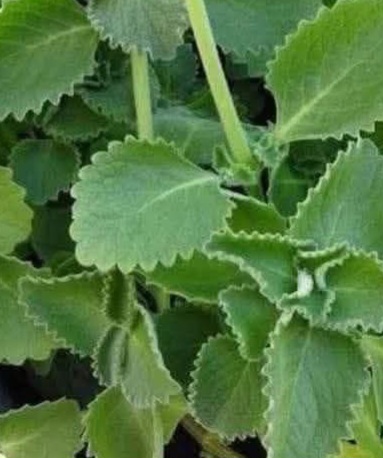
A Scientific Look At Oregano’s Role In Supporting Wellness
Introduction
Oregano is more than just a fragrant herb used to enhance flavor—it has long been valued for its potential health-supporting properties. Modern science is increasingly validating what traditional practices have suggested for centuries: oregano contains powerful compounds that may contribute to overall wellness.
Origin
Oregano (Origanum vulgare) originates from the Mediterranean region, where it thrives in warm, sunny climates. Ancient civilizations, particularly the Greeks and Romans, used oregano not only in cooking but also in medicinal applications due to its perceived healing qualities.
Cultural Significance
Historically, oregano symbolized joy and happiness in ancient Greece and was often used in ceremonies and rituals. In traditional herbal medicine across Europe and the Middle East, oregano has been used to support respiratory health, digestion, and immune function. Today, it remains a staple in both culinary traditions and natural wellness practices.
Ingredients Quantity
To explore oregano’s wellness benefits, here are common forms and suggested amounts:
Fresh oregano leaves: 1–2 tablespoons (chopped)
Dried oregano: 1–2 teaspoons
Oregano tea: 1 teaspoon dried oregano per 1 cup hot water
Oregano oil (diluted): 1–2 drops in a carrier oil (for external use)
Optional Additions
Lemon juice (enhances flavor and vitamin C content)
Honey (for soothing teas)
Garlic (boosts antimicrobial synergy)
Olive oil (for better absorption of fat-soluble compounds)
Tips for Success
Use high-quality, organic oregano for maximum potency
Avoid overheating to preserve active compounds like carvacrol and thymol
Always dilute oregano essential oil before use
Consult a healthcare professional before internal use of concentrated oregano oil
Instructions
For Oregano Tea:
1. Boil 1 cup of water.
2. Add 1 teaspoon dried oregano.
3. Steep for 5–10 minutes.
4. Strain and add honey or lemon if desired.
For Culinary Use:
1. Sprinkle dried oregano over dishes during cooking.
2. Add fresh oregano at the end for maximum flavor and nutrient retention.
Description
Oregano contains bioactive compounds such as carvacrol, thymol, and rosmarinic acid. These compounds are known for their antioxidant, antimicrobial, and anti-inflammatory properties. Scientific studies suggest oregano may help support immune health, combat oxidative stress, and contribute to gut health.
Nutritional Information (Approximate per 1 tsp dried oregano)
Calories: 3
Fiber: 0.5 g
Vitamin K: ~8% of daily value
Iron: ~2% of daily value
Antioxidants: High concentration
Conclusion
Oregano stands out as a powerful herb that bridges the gap between culinary enjoyment and wellness support. Its rich composition of beneficial compounds makes it a valuable addition to a balanced lifestyle.
Recommendation
Incorporate oregano regularly into your meals or enjoy it as a soothing herbal tea. For targeted wellness support, consider oregano oil cautiously and under guidance. Consistency is key to experiencing its potential benefits.
Embracing Healthful Indulgence
Wellness doesn’t have to be complicated—sometimes it starts with something as simple as a sprinkle of oregano. By embracing natural ingredients with scientifically supported benefits, you can nourish your body while enjoying rich, comforting flavors.