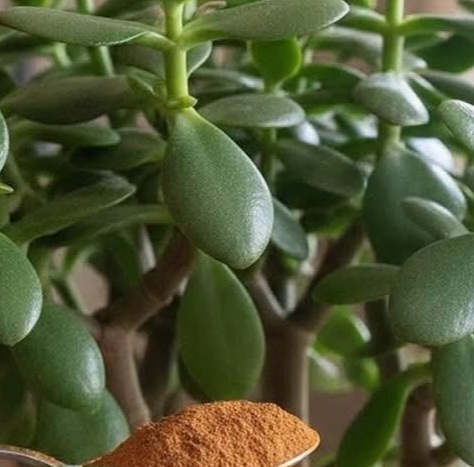
How to Make a Jade Tree Bloom and Perfume Your Whole House
Introduction
The jade tree, also known as the jade plant, is a beloved succulent admired for its thick, glossy leaves and symbolic meaning of prosperity and good luck. While many people grow jade plants successfully, getting them to bloom is a rare and rewarding achievement. When it does flower, the jade tree produces delicate, star-shaped blossoms with a subtle, sweet fragrance that can gently perfume your home.
Origin
The jade plant (Crassula ovata) originates from South Africa and Mozambique, where it thrives in warm, dry climates with plenty of sunlight. In its natural habitat, it grows as a small shrub and blooms seasonally when environmental conditions are just right.
Cultural Significance
Often referred to as the “money plant” or “lucky plant,” jade trees are associated with prosperity, wealth, and positive energy, especially in Feng Shui practices. A blooming jade plant is considered an especially auspicious sign, symbolizing growth, success, and harmony in the home.
Ingredients (Care Requirements with Quantities)
Bright, indirect sunlight: 4–6 hours daily
Water: About 1 cup every 2–3 weeks (adjust based on soil dryness)
Well-draining soil: cactus or succulent mix (1 pot)
Fertilizer: diluted balanced fertilizer (once every 2–3 months during growing season)
Cool nighttime temperatures: 10–13°C (50–55°F) in winter
Pot with drainage holes: 1
Optional Additions
Grow light (if natural light is limited)
Pebble tray for airflow (not humidity, as jade prefers dryness)
Terracotta pot (helps prevent overwatering)
Organic compost (small amount for added nutrients)
Tips for Success
Provide a period of dormancy in winter by reducing watering and keeping the plant in a cooler space.
Ensure the plant is slightly root-bound; jade plants bloom better when not frequently repotted.
Avoid overwatering—this is the most common reason jade plants fail to bloom.
Place near a bright window, preferably south- or west-facing.
Be patient—mature plants (typically over 3–5 years old) are more likely to flower.
Instructions
1. Place your jade plant in a bright location with plenty of indirect sunlight.
2. Water only when the soil is completely dry; reduce watering significantly in winter.
3. During late fall and winter, expose the plant to cooler nighttime temperatures.
4. Stop fertilizing in winter to allow the plant to rest.
5. Resume light feeding and normal watering in spring.
6. Avoid moving the plant frequently, as stability helps encourage blooming.
7. With consistent care, watch for small buds forming in late winter or early spring.
Description
When a jade tree blooms, it produces clusters of tiny, star-shaped flowers in shades of white or pale pink. These blossoms often appear at the tips of branches and emit a light, pleasant fragrance. The contrast between the thick green leaves and delicate flowers creates a stunning visual display.
Nutritional Information
While not edible, jade plants contribute to a healthier indoor environment by:
Improving air quality slightly
Enhancing mood and reducing stress
Adding natural beauty and calmness to indoor spaces
Conclusion
Encouraging a jade tree to bloom requires patience, proper care, and attention to seasonal changes. By mimicking its natural environment—especially with cooler winter conditions and controlled watering—you can significantly increase your chances of seeing it flower.
Recommendation
For best results, treat your jade plant like a seasonal plant rather than a constant grower. Allow it to rest in winter, and avoid over-caring. A little neglect, combined with the right light and temperature, often leads to the most beautiful blooms.
Embracing Healthful Indulgence
Caring for a jade tree and witnessing its rare bloom is a deeply satisfying experience. It reminds us that beauty often comes from patience and balance. By nurturing your plant thoughtfully, you not only enhance your home’s atmosphere but also create a peaceful, fragrant sanctuary that reflects care and natural harmony.