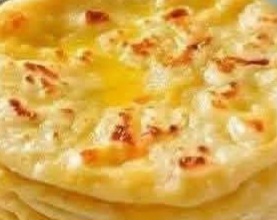
(Ekmek) Recipe
Introduction
Turkish Bread, known locally as Ekmek, is a staple of Turkish cuisine and a symbol of hospitality and togetherness. With its crisp golden crust and soft, airy interior, this bread is served at nearly every meal in Turkey—from breakfast spreads to hearty dinners. Simple yet deeply satisfying, Turkish bread proves that humble ingredients can create something truly special.
Ingredients Quantity
4 cups all-purpose flour
1 ½ cups warm water
2 ¼ teaspoons (1 packet) active dry yeast
1 teaspoon sugar
1 ½ teaspoons salt
2 tablespoons olive oil
Sesame seeds or nigella seeds (optional, for topping)
Instructions
1. In a small bowl, mix warm water, sugar, and yeast. Let it sit for 5–10 minutes until foamy.
2. In a large bowl, combine flour and salt. Add the yeast mixture and olive oil.
3. Mix until a dough forms, then knead for 8–10 minutes until smooth and elastic.
4. Cover the dough and let it rise in a warm place for about 1 hour, or until doubled in size.
5. Preheat the oven to 450°F (230°C) and place a baking tray inside to heat.
6. Shape the dough into oval or round loaves. Lightly flatten and score the top.
7. Sprinkle with sesame or nigella seeds if desired.
8. Bake for 15–20 minutes until golden brown and hollow-sounding when tapped.
9. Let cool slightly before slicing and serving.
Origin and Cultural Significance
Turkish bread dates back centuries to the Ottoman era and remains central to daily life in Turkey. Bread is considered sacred—never wasted—and often shared as a sign of respect and generosity. Bakeries across Turkey produce fresh bread several times a day, reflecting its importance in Turkish culture.
Description
This bread features a crispy crust, soft interior, and a mild flavor that complements both savory and sweet dishes. Its texture makes it ideal for dipping, stuffing, or enjoying on its own with butter and honey.
Optional Additions
Whole wheat flour for extra fiber
Yogurt or milk for a softer crumb
Garlic or herbs for a savory twist
Cheese baked into the dough for richness
Tips for Success
Use warm—not hot—water to activate yeast properly
Let the dough rise fully for maximum fluffiness
Baking at high heat ensures a crispy crust
Steam in the oven (placing a bowl of water inside) improves texture
Nutritional Information (Per Slice – Approximate)
Calories: 150
Carbohydrates: 28g
Protein: 5g
Fat: 2g
Fiber: 1.5g
Sodium: 230mg
Conclusion
Turkish Bread is a timeless classic that brings warmth and comfort to any table. Its simplicity, versatility, and cultural depth make it more than just bread—it’s an experience rooted in tradition.
Recommendation
Serve Turkish bread with olive oil and za’atar, grilled meats, soups, or a classic Turkish breakfast spread. It also makes excellent sandwiches and wraps.
Embracing Healthful Indulgence
Homemade Turkish bread allows you to control ingredients, reduce preservatives, and enjoy fresh, nourishing bread. When paired with balanced meals, it offers comfort without compromise—proof that indulgence can still be wholesome.